Introduction
Kindness and good treatment of parents is one of the most important teachings of Islam. In the Qur’an, Allah Almighty has commanded believers to treat their parents well alongside worshipping Him. The contribution of parents to their children’s lives is immeasurable. They endure hardships to raise their children, educate them, and make the greatest sacrifices for their children’s better future. Therefore, Islam places great emphasis on honoring parents, obeying them, serving them, and treating them with kindness.
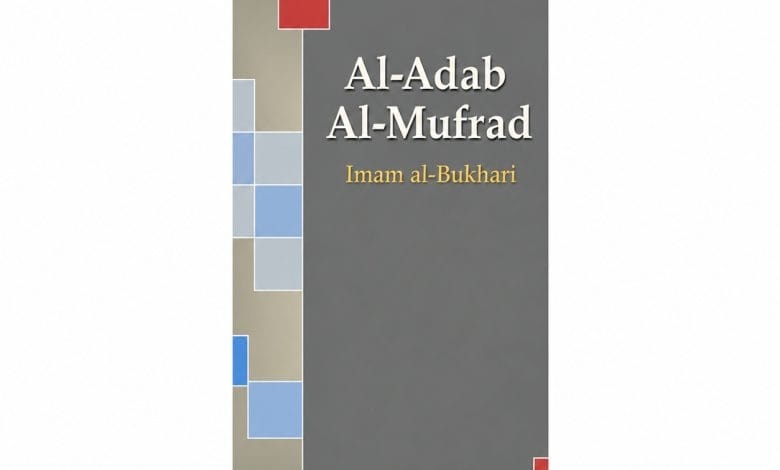
The book Al-Adab al-Mufrad contains numerous hadiths concerning the status of parents and the importance of treating them well. The Messenger of Allah (ﷺ) said that the pleasure of Allah lies in the pleasure of the father. He also described hurting one’s parents, disobeying them, and treating them harshly as major sins.

Speaking to parents gently, checking on their needs, praying for them, and taking care of them in their old age are among the responsibilities of a believer. In today’s society, family bonds are becoming weaker. Therefore, in order to establish peace, love, and blessings within the family, it is extremely important for everyone to fulfill the rights of their parents and follow the Islamic teachings regarding kindness and good treatment toward them.
Translated from Imam Bukhari’s (رحمه الله) Al-Adab al-Mufrad
Our Translation and Publication — Darus Saadat
Kindness to Parents
The Most Beloved Deeds to Allah
Hadith: 1 Narrated by Abdullah ibn Mas‘ud (رضي الله عنه). He said:
I asked the Messenger of Allah (ﷺ), “Which deed is most beloved to Allah, the Most Glorious?”
He said, “Offering the prayer at its proper time.”
I asked, “Then which one?” He said, “Treating one’s parents well.”
I asked, “Then which one?” He said, “Jihad in the path of Allah.”
The narrator said: He (ﷺ) told me these things. Had I asked him more questions, he would certainly have told me more.
The Pleasure of the Lord Lies in the Pleasure of the Father
Hadith: 2 Narrated by Abdullah ibn Umar (رضي الله عنهما). He said:
رِضَا الرَّبِّ فِي رِضَا الْوَالِدِ، وَسَخَطُ الرَّبِّ فِي سَخَطِ الْوَالِدِ
“The pleasure of the Lord lies in the pleasure of the father, and the displeasure of the Lord lies in the displeasure of the father.”
Benefit
This hadith teaches us that seeking the pleasure of our parents, especially the father, is extremely important for attaining the pleasure of Allah.
Kindness Toward the Mother
Hadith: 3 Bahz ibn Hakim narrated from his father, who narrated from his grandfather. He said:
I asked, “O Messenger of Allah! With whom should I treat well?”
He said, “With your mother.”
I asked a second time, “Then with whom should I treat well?”
He said, “With your mother.”
I asked a third time, “Then with whom should I treat well?”
He said, “With your mother.”
I asked a fourth time, “Then with whom should I treat well?”
He said, “With your father. Then those who are closest to you.”
The Most Effective Deed for Drawing Near to Allah
Hadith: 4 ‘Ata [ibn Yasar (رضي الله عنه)] narrated from Ibn Abbas (رضي الله عنهما):
A man came to Ibn Abbas (رضي الله عنهما) and said, “I proposed marriage to a girl, but she refused to marry me. Then another man proposed to her, and she agreed to marry him. This wounded my pride, so I killed her. Will my repentance be accepted?”
He asked him, “Is your mother alive?”
The man replied, “No.”
He said, “Repent to Allah and strive to draw closer to Allah by doing as many righteous deeds as you are able.”
The narrator said: I then went to Ibn Abbas (رضي الله عنهما) and asked him, “Why did you ask him whether his mother was alive?”
He replied, “I know of no deed better than treating one’s mother well for drawing closer to Allah.”
Kindness Toward the Father
Hadith: 5 Abu Hurayrah (رضي الله عنه) narrated:
The Messenger of Allah (ﷺ) was asked, “Who is most deserving of my best treatment?”
He said, “Your mother.”
He was then asked, “Then who?”
He said, “Your mother.”
He was asked again, “Then who?”
He said, “Your mother.”
The man asked again, “Then who?”
He said, “Your father.”
Kindness Toward the Mother
Hadith: 6 Abu Hurayrah (رضي الله عنه) narrated:
A man came to the Prophet (ﷺ) and said, “O Messenger of Allah! What do you command me to do?”
He said, “Treat your mother well.”
The man came again and asked the same question. He said, “Treat your mother well.”
He came again and asked the same question. He said, “Treat your mother well.”
Then the man came back for the fourth time and asked the same question. He said, “Treat your father well.”
Kindness Toward Parents Even When They Wrong Their Child
Hadith: 7 Ibn Abbas (رضي الله عنهما) narrated:
He said, “If a Muslim has Muslim parents and he visits them in the morning, Allah opens two doors of Paradise for him.” That is, the doors of Paradise. “If he has only one parent, then one door is opened. But if he makes either of his parents angry, Allah will not be pleased with him until that parent is pleased with him.”
He was asked, “Even if they wrong him?”
He replied, “Yes, even if they wrong him.”
Speaking Gently to Parents
Hadith: 8 Taysalah ibn Mayyas said:
I was with the Najdis when I committed a sin which I considered to be a major sin.
I mentioned it to Ibn Umar (رضي الله عنهما). He asked, “What is it?”
I told him about it.
He said, “These are not among the major sins. The major sins are nine:
1. Associating partners with Allah.
2. Killing someone.
3. Fleeing from the army during jihad.
4. Slandering a chaste woman.
5. Consuming usury.
6. Wrongfully consuming the wealth of an orphan.
7. Spreading disbelief in the mosque.
8. Mocking others.
9. Causing one’s parents to weep because of one’s disobedience.”
Ibn Umar (رضي الله عنهما) then asked me, “Do you want to stay away from Hell and enter Paradise?”
I said, “By Allah, yes.”
He asked, “Are your parents alive?”
I said, “I only have my mother.”
He said, “By Allah, if you speak to her gently and feed her, you will certainly enter Paradise, as long as you stay away from the major sins.”
Tafsir of a Verse
Hadith: 9 Regarding the statement of Allah Almighty:
وَاخْفِضْ لَهُمَا جَنَاحَ الذُّلِّ مِنَ الرَّحْمَةِ
“Lower to them the wing of humility out of mercy.” [Surah Al-Isra: 24]
Urwah ibn az-Zubayr said regarding this: “Do not object to anything they like.”
Benefit
This verse and the explanation of Urwah ibn az-Zubayr (رحمه الله) teach us that it is the responsibility of children to treat their parents with humility, gentleness, kindness, and respect.
Repaying Parents
Hadith: 10 Abu Hurayrah (رضي الله عنه) narrated that the Prophet (ﷺ) said:
“A child cannot fully repay his father, except if he finds him in a state of slavery, purchases him, and sets him free.”
It Is Impossible to Fully Repay the Mother
Hadith: 11 Abu Burdah (رضي الله عنه) narrated:
He said, “I heard my father say that he saw Ibn Umar (رضي الله عنهما) and a Yemeni young man performing Tawaf around the House of Allah. He also saw that the young man was carrying his mother on his back while reciting these lines of poetry:
إِنِّي لَهَا بَعِيرُهَا الْمُذَلَّلُ … إِنْ أُذْعِرَتْ رِكَابُهَا لَمْ أُذْعَرِ.
‘Indeed, I am like her obedient camel. If her mount is frightened, I am not frightened.’
Then he said, ‘O Ibn Umar! What do you think about me? Have I repaid my mother for her kindness toward me?’
He replied, ‘No. Not even for a single month.’
Then Ibn Umar (رضي الله عنهما) performed Tawaf and came to Maqam Ibrahim, where he offered two rak‘ahs of prayer.
He then said, ‘O son of Abu Musa! These two rak‘ahs serve as an expiation for what came before them of sins.’”
Abu Hurayrah’s (رضي الله عنه) Kindness Toward His Mother
Hadith: 12 Abu Murrah, the freed slave of ‘Aqil, narrated:
Marwan appointed Abu Hurayrah (رضي الله عنه) as his deputy, and he used to live in Dhu al-Hulayfah.
His mother lived in one house while he lived in another.
Whenever he intended to leave his house, he would stand at the door of his mother’s house and say:
“Peace be upon you, O my mother, and may the mercy and blessings of Allah be upon you.”
His mother would reply:
“And peace be upon you, my son, and may the mercy and blessings of Allah be upon you.”
Abu Hurayrah (رضي الله عنه) would say:
“May Allah have mercy upon you, just as you raised me when I was a child.”
His mother would say:
“May Allah have mercy upon you, just as you took care of me in my old age.”
He would do this whenever he intended to come and go from his house.
Better Than Jihad
Hadith: 13 Abdullah ibn Umar (رضي الله عنهما) narrated:
A man came to the Prophet (ﷺ) seeking to pledge allegiance to him for migration, while he had left his parents weeping.
The Messenger of Allah (ﷺ) said to him, “Go back to them and make them smile just as you made them weep.”
Abu Hurayrah (رضي الله عنه) and His Mother
Hadith: 14 Abu Hazim narrated that Abu Murrah, the freed slave of Umm Hani bint Abu Talib (رضي الله عنها), told him:
Marwan appointed Abu Hurayrah (رضي الله عنه) as his deputy, and he used to live in Dhu al-Hulayfah.
His mother lived in one house while he lived in another.
Whenever he intended to leave his house, he would stand at the door of his mother’s house and say:
“Peace be upon you and may the mercy and blessings of Allah be upon you, O my mother!”
His mother would reply:
“And peace be upon you and may the mercy and blessings of Allah be upon you.”
Abu Hurayrah (رضي الله عنه) would say:
“May Allah have mercy upon you, just as you raised me when I was a child.”
His mother would say:
“O my son! May Allah reward you well and be pleased with you, just as you have taken care of me in my old age.”
The narrator Musa said: “The actual name of Abu Hurayrah (رضي الله عنه) was Abdullah ibn Amr.”
Disobedience to Parents
Hadith: 15 Abu Bakrah (رضي الله عنه) narrated:
The Messenger of Allah (ﷺ) said:
“Shall I not tell you about the major sins?”
He repeated this three times.
The Companions said, “Yes, O Messenger of Allah!”
He said, “Associating partners with Allah and disobedience to parents.”
The Messenger of Allah (ﷺ) had been reclining, but then he sat upright and said:
“And false speech.”
The Messenger of Allah (ﷺ) continued repeating this so many times that I said to myself, “If only he would stop.”
Prohibition of Wasting Wealth
Hadith: 16 Al-Mughirah ibn Shu‘bah (رضي الله عنه) narrated:
I heard the Messenger of Allah (ﷺ) say that he prohibited excessive questioning or asking people for things, wasting wealth, and engaging in pointless talk.
Benefit
Unnecessary demands, wastefulness, and pointless speech can lead a person toward loss in both this world and the Hereafter.
Curse Upon One Who Curses His Parents
Hadith: 17 Ali (رضي الله عنه) narrated:
The Messenger of Allah (ﷺ) said:
“Allah’s curse is upon the one who sacrifices in the name of anyone other than Allah.
Allah’s curse is upon the one who steals or unlawfully takes land boundaries.
Allah’s curse is upon the one who curses his parents.
And Allah’s curse is upon the one who gives shelter and support to an innovation.”
Being Kind to Parents as Long as It Does Not Involve Sin
Hadith: 18 Abu al-Darda (رضي الله عنه) narrated:
The Messenger of Allah (ﷺ) gave me nine pieces of advice. They were:
- Do not associate anyone with Allah, even if you are cut into pieces or burned.
- Do not knowingly abandon an obligatory prayer. Whoever knowingly abandons it will have Allah’s protection removed from him.
- Do not drink alcohol, for it is the root of all evil.
- Obey your parents. If they command you to give up the world and everything in it, then do so.
- Do not quarrel with anyone, even if you believe that you are upon the truth.
- Do not flee from the battlefield, even if you are killed and your companions flee.
- Spend on your family according to your ability.
- Do not remove your stick of discipline from your family.
- Make your family conscious of the fear of Allah.
Returning to One’s Parents
Hadith: 19 Abdullah ibn Umar (رضي الله عنهما) narrated:
He said, “A man came to the Messenger of Allah (ﷺ) and said:
‘O Messenger of Allah! I have come to pledge allegiance to you for migration, and I left my parents weeping.’
The Messenger of Allah (ﷺ) said to him:
‘Go back to them and make them smile just as you made them weep.’”
Serving and Caring for Parents
Hadith: 20 Abdullah ibn Amr (رضي الله عنهما) narrated:
A man came to the Messenger of Allah (ﷺ), intending to go for jihad.
He asked him, “Are your parents alive?”
He replied, “Yes.”
He (ﷺ) said, “Then strive in serving and caring for them.”
The One Who Finds His Parents but Fails to Enter Paradise
Hadith: 21 Abu Hurayrah (رضي الله عنه) narrated from the Prophet (ﷺ):
The Messenger of Allah (ﷺ) said:
“May his nose be covered with dust! May his nose be covered with dust!”
The Companions asked, “Who, O Messenger of Allah?”
He (ﷺ) said:
“The one who finds both of his parents in their old age, or one of them, yet enters Hell because he neglected to serve and care for them.”
The One Who Treats His Parents Well
Hadith: 22 Mu‘adh al-Juhani (رضي الله عنه) narrated:
The Messenger of Allah (ﷺ) said:
“Glad tidings to the one who treats his parents well. Allah Almighty will increase his lifespan.”
Benefit
Treating parents well brings blessings in both this world and the Hereafter and increases goodness in a person’s life.
Prohibition of Seeking Forgiveness for a Polytheist Father
Hadith: 23 Ibn Abbas (رضي الله عنهما) said regarding the statement of Allah Almighty:
“If either or both of your parents reach old age during your lifetime, never say to them even ‘uff,’ nor scold them, but speak to them in a noble manner.
And lower to them the wing of humility out of mercy and say:
‘My Lord! Have mercy upon them as they raised me when I was small.’”
— Surah Al-Isra: 23–24
He said that this was abrogated by the following verse from Surah Bara’ah:
“It is not for the Prophet and the believers to seek forgiveness for the polytheists, even if they are close relatives, after it has become clear to them that they are people of Hell.”
— Surah At-Tawbah: 113
Kindness Toward a Polytheist Father
Hadith: 24 Sa‘d ibn Abi Waqqas (رضي الله عنه) narrated:
He said:
“Allah Almighty revealed four matters concerning me in His Book.”
The First Matter
1. My mother swore that she would neither eat nor drink until I abandoned Muhammad (ﷺ).
Then Allah Almighty revealed:
وَإِنْ جَاهَدَاكَ عَلَى أَنْ تُشْرِكَ بِي مَا لَيْسَ لَكَ بِهِ عِلْمٌ فَلا تُطِعْهُمَا وَصَاحِبْهُمَا فِي الدُّنْيَا مَعْرُوفاً
“If they strive to make you associate with Me that of which you have no knowledge, then do not obey them, but accompany them in this world with kindness.”
— Surah Luqman: 15
The Second Matter
2. On one occasion, I saw a sword that I liked. I said, “O Messenger of Allah! Give it to me as a gift.”
Then the following verse was revealed:
يَسْأَلونَكَ عَنِ الْأَنْفَالِ
“They ask you about the spoils of war.”
— Surah Al-Anfal: 1
The Third Matter
3. On another occasion, I became ill. The Messenger of Allah (ﷺ) came to visit me.
I said, “O Messenger of Allah! I want to distribute my wealth. May I distribute half of my property?”
The Messenger of Allah (ﷺ) said, “No.”
I asked, “One-third?”
He remained silent. Thereafter, making a bequest of one-third was permitted.
The Fourth Matter
4. On another occasion, I drank alcohol with some of the Ansar. One of them, while intoxicated, struck my nose with the jawbone of a camel.
I then came to the Prophet (ﷺ) to complain, and Allah Almighty revealed the verse prohibiting alcohol.
Kindness Toward Non-Muslim Parents
Hadith: 25 Asma bint Abu Bakr (رضي الله عنها) said:
“My mother came to me with a desire for something during the time of the Prophet (ﷺ). I asked the Prophet (ﷺ), ‘Should I maintain ties of kinship with her?’
He (ﷺ) said, ‘Yes.’
Ibn Uyaynah (رحمه الله) said that Allah Almighty revealed the following verse concerning this matter:
لَا يَنْهَاكُمُ اللَّهُ عَنِ الَّذِينَ لَمْ يُقَاتِلُوكُمْ فِي الدِّينِ
“Allah does not forbid you from being kind and just to those who have not fought you because of religion.”
— Surah Al-Mumtahanah: 8
Selling an Extra Garment to Treat a Relative Well
Hadith: 26 Abdullah ibn Umar (رضي الله عنهما) narrated:
Once Umar (رضي الله عنه) saw a silk garment being offered for sale.
He said, “O Messenger of Allah! Buy it. You can wear it on Fridays and when delegations come to visit you.”
He (ﷺ) said, “Only the one who has no share in the Hereafter wears this.”
Later, some silk garments were brought to the Prophet (ﷺ), and he sent one of them to Umar (رضي الله عنه).
Umar (رضي الله عنه) said, “How can I wear it when you have already said what you said about it?”
The Prophet (ﷺ) said, “I did not send it to you for you to wear it. Rather, I sent it so that you could sell it or give it to someone else to wear.”
Umar (رضي الله عنه) then sent it to one of his polytheist brothers who lived in Makkah and had not yet accepted Islam.
Do Not Insult Your Own Parents
Hadith: 27 Abdullah ibn Amr (رضي الله عنهما) narrated:
The Messenger of Allah (ﷺ) said:
“Among the major sins is for a person to insult his own parents.”
The people asked, “How can a person insult his own parents?”
The Prophet (ﷺ) said:
“A person insults someone else, and that person then insults his parents.”
Causing One’s Father to Be Insulted Is a Major Sin
Hadith: 28 Amr ibn al-As (رضي الله عنه) narrated:
He said: “Among the major sins in the sight of Allah is for a person to expose his father to being insulted by causing another person to insult him.”
Punishment for Disobedience to Parents
Hadith: 29 Abu Bakrah (رضي الله عنه) narrated:
The Prophet (ﷺ) said:
مَا مِنْ ذَنْبٍ أَجْدَرُ أَنْ يُعَجَّلَ لِصَاحِبِهِ الْعُقُوبَةُ مَعَ مَا يُدَّخَرُ له من البغى وقطيعة الرحم
“There is no sin whose perpetrator is more deserving of having its punishment hastened in this world, along with what is reserved for him in the Hereafter, than oppression and severing family ties.”
Major Sins
Hadith: 30 Imran ibn Husayn (رضي الله عنه) narrated:
The Messenger of Allah (ﷺ) said:
“What do you say about the crimes of adultery, drinking alcohol, and theft?”
We replied, “Allah and His Messenger know best.”
He (ﷺ) said:
“These are among the most serious sins, and punishments have been prescribed for them. Shall I not tell you about the major sins?”
“The major sins are associating partners with Allah and disobeying one’s parents.”
The Prophet (ﷺ) had been reclining. Then he sat upright and said:
“And false speech.”
Parents Weeping
Hadith: 31 Ibn Umar (رضي الله عنهما) narrated:
He said:
“Making one’s parents weep is among disobedience and the major sins.”
Benefit
Hurting one’s parents and making them weep are major sins. Therefore, one should always treat them with kindness and gentleness.
Section: The Supplication of Parents
Hadith: 32 Abu Hurayrah (رضي الله عنه) narrated:
The Messenger of Allah (ﷺ) said:
ثَلَاثُ دَعَوَاتٍ مستجاباتٌ لَهُنَّ لَا شَكَّ فيهنَّ: دعوة المظلوم ودعوة المسافر ودعوة الوَالِدَين على وَلَدِهِمَا
“There are three supplications that are certainly answered, without any doubt: the supplication of the oppressed, the supplication of the traveler, and the supplication of parents for their child.”
The Story of the Ascetic Jurayj
Hadith: 33 Abu Hurayrah (رضي الله عنه) narrated:
He said, “I heard the Messenger of Allah (ﷺ) say:
‘No one spoke while in the cradle except Isa ibn Maryam and the companion of Jurayj.’”
He was asked, “O Messenger of Allah! Who was the companion of Jurayj?”
The Ascetic
He (ﷺ) said:
“Jurayj was an ascetic, and he lived in his monastery. There was a shepherd living beneath his monastery, and a woman from the village used to visit the shepherd.
One day, Jurayj’s mother came to him and called, ‘O Jurayj!’
At that time, he was engaged in prayer or worship.
He thought to himself, ‘My mother on one side and my worship on the other.’ He chose to continue his worship.
Then his mother called him a second time.
Jurayj’s Mistake
Again, he thought to himself, ‘My mother on one side and my worship on the other.’ He again chose to continue his worship.
Then his mother called him a third time.
Again, he thought to himself, ‘My mother on one side and my worship on the other.’ He again chose to continue his worship.
When Jurayj did not respond to his mother’s calls, his mother said to him:
The Mother’s Curse
‘O Jurayj! May you not die until you have seen the face of an immoral woman.’
Then she left.
Later, the woman who used to visit the shepherd gave birth to a child. She was taken to the king.
The king asked her, ‘Whose child is this?’
She replied, ‘Jurayj’s.’
The king said, ‘The man who lives in the monastery?’
She replied, ‘Yes.’
The king ordered, ‘Destroy his monastery and bring him to me.’
The people therefore destroyed his monastery with axes and brought him with his hands tied to his neck with a rope, passing him in front of the woman.
As he was being taken away, he saw the woman and smiled gently. The woman also saw him while he was surrounded by the people.
The king asked Jurayj, ‘What is this woman saying?’
Jurayj asked, ‘What is she saying?’
The king said, ‘She says that this child is yours.’
He then asked the woman, ‘Did you say this?’
She replied, ‘Yes.’
He asked, ‘Where is the child?’
The people said, ‘Here, in the woman’s lap.’
The Child Speaks
Jurayj turned his attention to the child and asked:
“Who is your father?”
The child replied:
“The shepherd from the village.”
Upon seeing this, the king said, “We will build your monastery out of gold.”
He replied, “No.”
The king said, “Then out of silver.”
He replied, “No.”
The king asked, “Then what should we do with it?”
He replied, “Return it to how it was.”
The king asked, “Why did you smile?”
He replied:
“For a reason. My mother’s curse had affected me.”
He then told the king the entire story.
Calling a Christian Mother to Islam
Hadith: 34 Abu Hurayrah (رضي الله عنه) said:
“Everyone who has heard about me, including Jews and Christians, has developed love for me.
The reason is that I used to encourage my mother to accept Islam, but she refused.
I would continue telling her about Islam, but she would refuse.
So I went to the Messenger of Allah (ﷺ) and said, ‘Please supplicate to Allah for my mother.’
The Prophet (ﷺ) supplicated for her.
When I returned home, I found the door closed.
She said, ‘O Abu Hurayrah! I have become a Muslim.’
I then went to the Messenger of Allah (ﷺ) and informed him that she had accepted Islam.
I also said, ‘Supplicate to Allah for me and my mother.’
The Prophet (ﷺ) then supplicated:
‘O Allah! Make Your servant Abu Hurayrah and his mother beloved to everyone.’”
Kindness Toward Parents After Their Death
Hadith: 35 Abu Usaid (رضي الله عنه) narrated that Malik ibn Rabi‘ah as-Sa‘idi (رضي الله عنه) said:
“We were sitting with the Prophet (ﷺ) when a man asked:
‘O Messenger of Allah! Is there any opportunity to do righteous deeds for my parents after their death?’
He (ﷺ) said:
‘Yes. There are four things:
1. Supplicating for them and seeking forgiveness for them.
2. Fulfilling their promises and commitments.
3. Honoring their friends and companions.
4. Maintaining the ties of kinship that were connected through them.’”
How the Status of a Deceased Person Is Raised
Hadith: 36 Abu Hurayrah (رضي الله عنه) narrated:
He said:
“The status of a deceased person continues to be raised after his death.
He then says, ‘My Lord! What is this?’
He is told, ‘Your child has sought forgiveness for you.’”
The Supplication of Abu Hurayrah (رضي الله عنه)
Hadith: 37 Muhammad ibn Sirin (رحمه الله) narrated:
He said:
“One night, I was with Abu Hurayrah (رضي الله عنه). He supplicated:
‘O Allah! Forgive Abu Hurayrah and my mother, and everyone who seeks forgiveness for these two.’
Muhammad ibn Sirin (رحمه الله) said to me:
‘Therefore, we seek forgiveness for them so that we may also be included in his supplication.’”
Sadaqah Jariyah
Hadith: 38 Abu Hurayrah (رضي الله عنه) narrated that the Messenger of Allah (ﷺ) said:
إِذَا مَاتَ العبدُ انْقَطَعَ عَنْهُ عَمَلُه إِلَّا مِنْ ثَلَاثٍ: صَدَقَةٍ جَارِيَةٍ، أَوْ عِلْمٍ يُنْتَفَعُ بِهِ، أَوْ وَلَدٍ صَالِحٍ يَدْعُو لَهُ
“When a servant dies, his deeds come to an end except for three: ongoing charity, beneficial knowledge, and a righteous child who supplicates for him.”
Giving Charity on Behalf of a Deceased Person
Hadith: 39 Ibn Abbas (رضي الله عنهما) narrated:
A man said:
“O Messenger of Allah! My mother has died, and she did not leave any instructions for me. If I give charity on her behalf, will she benefit from it?”
The Messenger of Allah (ﷺ) said, “Yes.”
Honoring Those Who Were Connected to One’s Father
Hadith: 40 Ibn Umar (رضي الله عنهما) narrated:
During one journey, he saw a Bedouin whose father had been a friend of his own father.
He said to him, “Are you not the son of so-and-so?”
The man replied, “Yes.”
Ibn Umar (رضي الله عنهما) then ordered that he be given a donkey that he used as a means of transportation and removed his own turban and gave it to him.
One of those accompanying him said, “Would not two dirhams have been enough for him?”
He replied:
“The Messenger of Allah (ﷺ) said:
‘Preserve the relationship and affection that existed through your father; do not sever it. Otherwise, Allah will extinguish your light.’”
Maintaining Relationships with the Father’s Acquaintances
Hadith: 41 Ibn Umar (رضي الله عنهما) narrated that the Messenger of Allah (ﷺ) said:
إِنَّ أَبَّر البِّر أَنْ يصِلَ الرجلُ أهل وِدِّ أبيه
“Among the finest acts of righteousness is for a person to maintain the relationships of his father’s friends and loved ones.”
Do Not Sever Your Father’s Relationships
Hadith: 42 Abdullah ibn Lahiq (رحمه الله) narrated:
He said:
“We were sitting with Amr ibn Uthman in the Mosque of Madinah.
Abdullah ibn Salam (رضي الله عنه) passed by us with the help of his nephew and crossed the mosque.
Then he turned back and said:
‘O Amr ibn Uthman! Now do whatever you wish.’
He said this two or three times.
‘By the One who sent Muhammad (ﷺ) with the truth! It is certainly written twice in the Book of Allah [the previously revealed Torah]:
Do not sever the relationship that existed between your father and another person. Otherwise, your light will be extinguished.’”
Love and Affection Are Inherited
Hadith: 43 Abu Bakr ibn Hazm, who was among the Companions of the Prophet (ﷺ), narrated:
He said:
“It is sufficient for you that I tell you that the Messenger of Allah (ﷺ) said:
إن الوِّدَ يَتَوَارَث
‘Indeed, love and affection are inherited.’”
Benefit
This means that family love and good relationships can spread from one generation to another.
A Person Should Not Call His Father by His Name, Walk Ahead of Him, or Walk Before Him
Hadith: 44 Abu Hurayrah (رضي الله عنه) narrated:
He once saw two men. He said to one of them, “Who is this to you?”
He replied, “My father.”
He then said:
“Do not call him by his name, and do not walk ahead of him.”
Can a Father Be Addressed by His Kunyah?
Hadith: 45 Shahr ibn Hawshab narrated:
“We once traveled with Abdullah ibn Umar.
Then Salim said to him:
‘O father of Abd al-Rahman! Prayer!’
That is, “It is time for prayer.”
Hadith: 46 Abdullah ibn Umar (رضي الله عنهما) narrated:
He referred to his father by his kunyah and said:
“Umar, the father of Hafs, has given a judgment.”
Conclusion
In conclusion, treating parents with kindness is one of the great teachings of Islam and an important responsibility in human life. The contribution of parents to a child’s life is so immense that their debt can never be fully repaid.
Therefore, Islam places great emphasis on honoring parents, obeying them, serving them, and seeking their pleasure. Speaking to them gently, listening to them attentively, fulfilling their needs, caring for them during illness and old age, and supplicating for them are among the important duties of a believer.
In today’s society, family relationships are often becoming weaker because of busy lifestyles and worldly distractions. As a result, unrest, distance, and a lack of love can develop within families. Yet the pleasure of Allah lies in the pleasure of one’s parents. Hurting them, disobeying them, or disrespecting them is a major sin according to Islam.
Therefore, we should follow the guidance of the Qur’an and Sunnah, fulfill the rights of our parents properly, and create an atmosphere of love, respect, and harmony within our families. Through this, we can attain peace and the mercy of Allah in our individual lives, families, and society.
🔸🔸🔸
👉 also read The Qualities of a Believer According to Hadith