
Those Who Came Back to Life After Death
Maan asha baa'dal maut - Imam ibn abi al dunya (rh)
Those Who Came Back to Life After Death – Life after death, or the concept of the Hereafter, is one of the fundamental beliefs of Islam. Although this temporary worldly life comes to an end, human existence does not come to an absolute end. Rather, an eternal life in the Hereafter begins.
This subject was discussed in depth by the renowned hadith scholar and compiler of books of admonition, Imam Ibn Abi al-Dunya, رحمه الله, in his famous work “Man ‘Āsha Ba‘da al-Mawt” (Life After Death).
In this book, he presents moving accounts, based on the Qur’an and Hadith, concerning the reality of death, life in the grave, the horrors of the Day of Judgment, and the ultimate destination of Paradise and Hell. The primary purpose of these discussions is to free people from attachment to worldly pleasures and encourage them to focus on preparing for the Hereafter.
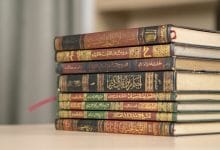
This book is regarded as an important source in Islamic literature and spiritual thought.
For those who wish to gain a deeper understanding of life after death and progress on the path of spiritual purification, it is a valuable reference. In the present age, remembering the Hereafter plays an important role in helping people develop an ethical and righteous life.
Gaining sound knowledge about life after death not only strengthens faith but also gives life greater meaning and purpose.
Man ‘Āsha Ba‘da al-Mawt – Life After Death
Translated from the book Man ‘Āsha Ba‘da al-Mawt by Imam Ibn Abi al-Dunya (رحمه الله)
Darussaadat – Translation and Publication
Man ‘Āsha Ba‘da al-Mawt
A Dead Son Comes Back to Life Through His Mother’s Supplication
Narration 1: Anas (رضي الله عنه) said: Once, during a journey, there was an Ansari young man with me. Suddenly, he died. We closed his eyes and wrapped him in a shroud.
One of our companions informed his mother, saying, “Your son has departed from this world.” His mother asked, “Has he died?”
We said, “Yes.” She asked, “Are you certain that what you are saying is true?”
We replied, “Yes.” She then raised her hands toward the sky and supplicated:
“O Allah! I have believed in You and migrated with Your Messenger. A calamity has befallen me. Remove this calamity from me. O Allah! I ask You not to afflict me with calamity today.”
The narrator said: At that very moment, the cloth suddenly moved away from his face, and he began to move and sit up. We were astonished. We even ate together afterward.
Another Helpless Mother’s Supplication Brings Her Dead Son Back to Life
Narration 2: Salih said: We related this incident to Hafs ibn Nadr, and he was greatly amazed by it.
When I met him again on the second Friday, he said, “I was very astonished when I heard your story.”
When he met Rabi‘ ibn Kulthum, I told him the incident. He said, “A man once told me that he had a daughter who was weak, blind, deaf, and physically disabled. He had no one to look after her except one son.
“One day, her son suddenly died. I went to her and said, ‘Allah has afflicted you with a calamity.’
“She said, ‘What has happened? My son has not died!’ Then she raised her hands in supplication:
‘O Allah! Have mercy on me. I have no one. I am blind, deaf, and disabled. Do not separate my son from me. O Allah! Have mercy on me for his sake.’
“The narrator said: I thought, ‘This woman has lost her mind.’
“I then went to the market to buy a shroud. When I returned, I found that her son had sat up.”
Zayd ibn Kharijah Speaks After His Death
Narration 3: Abu Khalid narrated: I came to the gathering of Yazid ibn Nu‘man ibn Bashir and Qasim ibn ‘Abd al-Rahman carrying a letter from my father, Nu‘man ibn Bashir. It stated:
“In the name of Allah, the Most Compassionate, the Most Merciful.
From Nu‘man ibn Bashir to Umm ‘Abdullah ibn Abi Hashim. Peace be upon you.
I praise Allah, besides whom there is no deity.
You wrote to me asking that I tell you something about the circumstances surrounding the death of Zayd ibn Kharijah.
His story is that he suddenly developed difficulty in his throat, although that day he was the healthiest and most energetic person in Madinah.
He died between the Zuhr and ‘Asr prayers. We laid him on his back and covered him with two sheets and a blanket.
After the Maghrib prayer, I was reciting tasbih. I then became drowsy, and in a dream someone said to me, ‘Zayd has spoken after his death.’
I immediately went to him. Among the Ansar who were present, he was saying:
‘The one in the middle of the community [Abu Bakr (رضي الله عنه)] was firm. He did not fear the criticism of any critic regarding Allah’s commands.
He did not allow the powerful among the people to take the wealth of the weak.’
‘Umar (رضي الله عنه) Was a True Servant
“Amir al-Mu’minin ‘Umar (رضي الله عنه) was a true servant of Allah. This is recorded in the earlier Scriptures.
Then he said, ‘Amir al-Mu’minin ‘Uthman (رضي الله عنه) pardons most of the people’s mistakes. Two nights have passed, and four nights remain. Then disagreement will begin among the people, and they will consume one another’s wealth unjustly. There will be no order, and killing will become permissible.
“Then the believers will awaken from their heedlessness and say, “O people! Hold firmly to the Book of Allah. Turn your attention to your leader, obey his commands, and follow him. Whoever turns away from him will have no protection for his life.
“Allah’s decree will certainly come. Allah is the Greatest. This is Paradise, and this is Hell. The Prophets and the truthful ones have spoken the truth. Peace be upon you.
“O ‘Abdullah ibn Rawahah! Shall I tell you about my father Kharijah and Sa‘d, who were martyred on the Day of Uhud?”
Allah says:
كَلَّا إِنَّهَا لَظَى نَزَّاعَةً لِلشَّوَى تَدْعُو مَنْ أَدْبَرَ وَتَوَلَّى وَجَمَعَ فَأَوْعَى
“No! Indeed, it is the Flame, stripping away the skin from the head. It calls whoever turned his back and turned away, and gathered wealth and hoarded it.” — Surah al-Ma‘arij 15–18
Then his voice became faint. I asked the person who had been listening to him before me, and he said, “I heard him say, ‘Be quiet. Be quiet.’”
We looked at one another toward the place from which the voice was coming, beneath the cloth. When we removed the cloth from his face, he said, “This is the Messenger of Allah (صلى الله عليه وسلم) beside me.”
He then said, “O Messenger of Allah! Peace, mercy, and blessings of Allah be upon you.”
Then he said, “The Messenger of Allah’s successor, Abu Bakr (رضي الله عنه), was trustworthy. He appeared physically weak, but he was very strong in implementing Allah’s commands. He spoke the truth.”
Another Narration
Narration 4: Ibn ‘Umayr said: I sent to Habib ibn Salim the letter that Nu‘man ibn Bashir had written to Umm Khalid.
You had written to me asking about the incident in which Zayd ibn Kharijah spoke after his death. The rest of the incident is as previously narrated.
The Incident of an Ansari
Narration 5: Sa‘id ibn al-Musayyib (رحمه الله) said: I attended the death of an Ansari man. When he died, he was covered with a cloth. Then he began to say:
“Abu Bakr (رضي الله عنه) was trustworthy. He appeared physically weak, but he was very strong in implementing Allah’s commands.
‘Umar (رضي الله عنه) was trustworthy. ‘Uthman (رضي الله عنه) followed his path. Now justice has come to an end. The strong are devouring the weak.”
Another Incident of Zayd ibn Kharijah
Narration 6: Anas ibn Malik (رضي الله عنه) said: When Zayd ibn Kharijah died, the Ansar began competing with one another to wash his body. They nearly came to blows.
Eventually, they agreed that he would be washed twice. Each leader would hold one part of his body while a third person poured water. I was among them.
When I began pouring the water, he started speaking.
He said, “Two nights have passed, and four nights remain. The wealthy among the people have begun taking the wealth of the poor.
“Disagreement has begun among the people, and no order or discipline remains.
“Abu Bakr al-Siddiq (رضي الله عنه) was very gentle-hearted. He was compassionate toward the believers and firm against the disbelievers. He did not fear the criticism of any critic regarding Allah’s commands.
“‘Umar (رضي الله عنه) was also very gentle-hearted. He was compassionate toward the believers and firm against the disbelievers.
“And you are now following the policy of ‘Uthman (رضي الله عنه). Listen and obey.”
Then his voice became faint. His tongue continued moving, but his body became still.
Another Narration
Narration 7: Nu‘man ibn Bashir (رضي الله عنه) said: Zayd ibn Kharijah was among the leaders of the Ansar. His father was Kharijah ibn Sa‘d.
When Abu Bakr (رضي الله عنه) migrated, he stayed in Kharijah’s house. He also married his daughter to Kharijah’s son, whose name was Sa‘d.
The father of Zayd ibn Kharijah and Sa‘d ibn Kharijah were both martyred on the Day of Uhud. Zayd ibn Kharijah remained alive during the lifetime of the Prophet (صلى الله عليه وسلم), the caliphate of Abu Bakr al-Siddiq (رضي الله عنه), the caliphate of ‘Umar (رضي الله عنه), and for two years during the caliphate of ‘Uthman (رضي الله عنه).
On the day of his death, he was walking through one of the streets of Madinah between Zuhr and ‘Asr. Suddenly, he fell down and died.
When the Ansar learned of this, they carried him to his home. They covered him with two sheets and a blanket, while the men and women of the Ansar began to weep around him.
Between Maghrib and ‘Isha
Between Maghrib and ‘Isha, they heard a voice saying, “Be quiet.”
The people realized that the voice was coming from beneath the cloth. When they removed the cloth from his face and chest, the person speaking from his mouth said:
“Muhammad (صلى الله عليه وسلم) is the final Prophet. No prophet will come after him.”
Praise of the Caliphs
Then the voice coming from his mouth said, “He has spoken the truth, he has spoken the truth.”
Then the voice said, “Abu Bakr (رضي الله عنه) is the successor of the Messenger. He is truthful and trustworthy. He appeared physically weak but was strong regarding Allah’s commands.”
Then the voice said, “He has spoken the truth, he has spoken the truth.”
Then it said, “The one in the middle was firm and did not fear the criticism of any critic regarding Allah. He prevented the powerful from taking the wealth of the weak.
“Amir al-Mu’minin ‘Umar (رضي الله عنه) was a servant of Allah.”
Then the voice said, “He has spoken the truth, he has spoken the truth.”
‘Uthman (رضي الله عنه)
Then it said, “Amir al-Mu’minin ‘Uthman (رضي الله عنه) is compassionate toward the believers and pardons their mistakes.
“Two nights have passed, and two years have become like two nights. Four years remain, during which no order or discipline will remain. Killing will become permissible, the people will seize one another’s wealth, and the Day of Judgment will draw near.”
Hold Firmly to the Book of Allah
At one point, the people would abandon their heedlessness and say:
“O people! Hold firmly to the Book of Allah. Turn your attention to your leader, listen to him, and obey him.
“They are following the way of those who came before them. Whoever turns away from them will have no protection for his life.
“Allah’s decree will certainly come.”
He repeated this twice.
“This is Paradise, and this is Hell. These are the Prophets, and these are the martyrs.
“O ‘Abdullah ibn Rawahah! I have learned about my father Kharijah and my brother Sa‘d, who were martyred on the Day of Uhud.”
The Word of Allah Almighty
Allah says:
كَلَّا إِنَّهَا لَظَى نَزَّاعَةً لِلشَّوَى تَدْعُو مَنْ أَدْبَرَ وَتَوَلَّى وَجَمَعَ فَأَوْعَى
“No! Indeed, it is the Flame, stripping away the skin from the head. It calls whoever turned his back and turned away, and gathered wealth and hoarded it.” — Surah al-Ma‘arij 15–18
Salutations to the Messenger of Allah (صلى الله عليه وسلم)
Then he said, “This is the Messenger of Allah (صلى الله عليه وسلم) beside me. This is the Messenger of Allah (صلى الله عليه وسلم). Peace, mercy, and blessings of Allah be upon you.”
Nu‘man ibn Bashir (رضي الله عنه) said: I was told that Zayd ibn Kharijah had spoken after his death. I made my way through the people and sat near his head. I heard part of what he was saying.
He was saying that the one in the middle was very firm. When he finished speaking, I asked the people what else he had said before I arrived. They then told me the details.
A Man Martyred by Musaylimah Speaks After Death
Narration 8: ‘Abdullah ibn ‘Ubaydullah al-Ansari said: A man who had been martyred at the hands of Musaylimah al-Kadhdhab spoke after death. He said that Muhammad (صلى الله عليه وسلم) is the Messenger of Allah, and that Abu Bakr al-Siddiq and ‘Uthman (رضي الله عنهما) were very gentle and compassionate men.
The Incident of a Devout Worshipper
Narration 9: Muhammad ibn Bakr (رحمه الله) said: We were three brothers. The second among us was extremely devoted to worship. He frequently fasted and was the most dignified among us.
I was with an army on a military expedition. When I returned, the people of my household said, “Go and check on your brother. He is near death.”
When I reached him, he had already passed away. I covered him with a cloth and sat beside him weeping.
Muhammad ibn Bakr (رحمه الله) said: At that moment, my brother raised his hand, removed the cloth from his face, and said, “As-salamu ‘alaykum.”
I said, “My brother! Have you come back to life after death?”
He said, “Yes. I met my Lord with immense joy, and my Lord did not express displeasure toward me. He dressed me in the clothing of Paradise.
“The matter you fear, I found easy.”
He repeated this three times. Then he said three times, “Act! Do not be negligent.”
“I met the Messenger of Allah (صلى الله عليه وسلم). I promised that I would return before he rose. So hasten my shrouding and burial.”
Then he died again. He returned to death as quickly as a pebble thrown into water.
Muhammad ibn Bakr (رحمه الله) said: I then told the people, “Hurry with my brother’s shrouding and burial.”
A Man from This Ummah Will Speak After Death
Narration 10: Rabi‘ ibn Hirash (رحمه الله) said: My brother died. During hot days he used to fast frequently, and during winter nights he would perform Qiyam, standing for long periods in prayer.
Then he related the preceding incident. The additional detail is that when this incident reached ‘A’ishah (رضي الله عنها), she confirmed it and said:
“We used to hear that a man from this Ummah would speak after death.”
He Swore to Know His Destination in Paradise
Narration 11: ‘Ali ibn ‘Ubaydullah al-Ghatfani and Hafs ibn Yazid said: We received the report that Ibn Hirash had sworn that he would not laugh until he knew whether he was destined for Paradise or Hell.
He lived in such a state that no one ever saw him laugh. When he died, however, he began to laugh.
The narrator said: When this reached ‘A’ishah (رضي الله عنها), she said, “The brother of Banu ‘Abs has spoken the truth. May Allah have mercy on him.”
I heard the Messenger of Allah (صلى الله عليه وسلم) say:
يَتَكَلَّمُ رَجُلٌ مِنْ أُمَّتِي بَعْدَ الْمَوْتِ مِنْ خِيَارِ التَّابِعِينَ
“A man from my Ummah will speak after death, and he will be among the best of the Tabi‘in.”
Another Similar Incident
Narration 12: Harith al-Ghanawi said: Rabi‘ ibn Hirash had sworn that he would never laugh until he knew his destination. Therefore, he never laughed.
But when he died, he began to smile.
Then his brother Rabi‘ also swore that he would not laugh until he knew whether he was destined for Paradise or Hell.
Harith al-Ghanawi said: The man who washed his body told me that while we were washing him, he was smiling slightly.
Coming Back to Life to Die as a Martyr
Narration 13: A man narrated from his father: My maternal uncle died. We covered him with a cloth. When we stood to wash him, he removed the cloth from his face and said:
“O Allah! I wish to die in Your path.”
Then he remained alive. Eventually, he fought bravely and was martyred.
Three People Will Not Enter Paradise
Narration 14: Mughirah ibn Hadhaf narrated from Ru‘batah bint Bijan. She became extremely ill, and the people thought that she had died.
They washed her and shrouded her. But she began to speak. Looking at them, she said:
“What you fear, I found very easy. And I saw that three people will not enter Paradise:
1. One who severs family ties,
2. A person addicted to alcohol, and
3. A polytheist.”
Seeing the Record of Deeds at the Time of Death
Narration 15: Salih ibn Hayy (رحمه الله) said: My neighbor told me that when a man’s soul was being taken, his record of deeds was presented before him.
He said, “I saw that every sin for which I had sought forgiveness had been forgiven. But the sins for which I had not sought forgiveness remained as they were.”
I Saw Even Small Deeds in My Record
He continued:
“I even saw that I had been credited with a good deed for removing a small object from the road so that people could pass easily.
“One night, I was praying and my voice became loud. My slave heard my voice and began praying as well.
A Reward Was Recorded for This Too
“A reward equivalent to his reward was recorded in my account as well.
“And one day, I gave a beggar one dirham in front of people in order to show off. I saw that deed in such a state that it neither benefited me nor counted against me.”
The Consequences of Hating Abu Bakr and ‘Umar (رضي الله عنهما)
Narration 16: ‘Abd al-Malik ibn ‘Umayr said: In Kufa, there was a man who used to shroud the dead.
A man died, and he was asked to shroud him. He took the shroud and went to the deceased.
When he removed the cloth covering him, the man began to say:
“They deceived me! They destroyed me! Fire! Fire!”
I told him, “Say, ‘La ilaha illallah.’”
He said, “I am unable to say it.”
He was asked, “Why?”
He replied, “Because I used to insult Abu Bakr (رضي الله عنه) and ‘Umar (رضي الله عنه).”
Pointless Talk
Narration 17: Khalaf ibn Hawshab (رحمه الله) said: A man died in Mada’in. When he was covered with a cloth, some people got up and left while others remained seated.
Then the cloth began to move. The deceased himself removed the cloth and said:
“There are some people who engage in pointless talk in this mosque”—meaning the mosque of Mada’in.
“These people curse Abu Bakr and ‘Umar (رضي الله عنهما) and reject them. The angels who take souls curse them and reject them.”
We said, “O so-and-so! Perhaps you too have been afflicted with this calamity because of that?”
He replied, “Astaghfirullah, astaghfirullah.”
Then he disappeared in the same way that a pebble disappears into water—meaning that he died.
The Incident of a Merchant
Narration 18: Abu al-Khasib said: I was a merchant. I had never heard of a deceased person who had not been shrouded after death.
A man came to me and said, “A man has died here, and there is no one to provide his shroud.”
I said to my companion, “Come with me.”
We went to him. Some people were sitting beside him, and the deceased was lying there covered in cloth. Bricks and soil had been placed on his stomach.
The Deceased Removed the Bricks Himself
I said, “Why do you not wash him?”
They replied, “A shroud has not been arranged for him.”
I told my friend, “Go and bring a shroud.”
I sat beside him. While I was sitting there, the deceased himself sat up and began removing the bricks and soil from his body, saying:
“Fire! Fire!”
I told him, “Say, ‘La ilaha illallah.’”
He replied, “It will not benefit me now.”
“May Allah curse the scholars of Kufa who deceived me. I became so misguided that I began insulting Abu Bakr and ‘Umar (رضي الله عنهما).”
Then he died again.
I swore by Allah that I would not shroud him. I left without shrouding him.
The Incident of the Scholars of Kufa
Narration 19: I was a merchant living in the palace of Kisra in Mada’in. This was during the plague of Ibn Hubayrah.
One of my employees, named Ashraf, came to me and said, “There is a dead man in Mada’in who has no shroud.”
I rode to his house. His well-wishers and friends were sitting beside him, praising his worship and virtues. Bricks had been placed on the deceased man’s stomach.
I sent someone to buy a shroud, instructed them to dig a grave, and arranged bricks for the grave.
When I began heating water to wash him, the deceased suddenly sat up, and the bricks fell from his stomach.
The Deceased Cried Out, “Alas! Hell!”
He cried out, “Alas! Hell!”
When his friends saw this, they all fled in fear.
Abu al-Khasib said: I approached him, shook his arm, and asked, “What did you see? What is happening to you?”
Bad Company
He said, “I used to associate with the scholars of Kufa, and they introduced me to their religion and beliefs.
“I joined them in insulting Abu Bakr and ‘Umar (رضي الله عنهما) and harboring hatred toward them.”
The narrator said: I told him, “Seek Allah’s forgiveness and never insult them again.”
He Had Reached Hell
He replied, “I have reached my destination, and this will not benefit me now.
“I saw Hell, and I was told, ‘Go and tell your companions what you have seen.’”
Abu al-Khasib said: I do not know whether he returned to his previous dead state before finishing his words. I waited.
Refusing to Shroud and Bury Innovators
Then the shroud was brought. I took it and said, “I will neither shroud him nor wash him, nor will I perform his funeral prayer.”
Then I returned.
Later, I was told that those who had been with him washed him and performed his funeral prayer. They told people that they had also heard everything I had heard.
They said, “How can you dislike our companion? That was merely the voice of Satan speaking through his tongue.”
Khalaf said, “O Abu al-Khasib, did this event really happen before you?”
He replied, “My own eyes saw it, and my own ears heard it.”
Khalaf said: I then asked people about Abu al-Khasib, and they spoke well of him, describing him as trustworthy and truthful.
Regarding This Incident
Narration 20: Khalaf ibn Tamim (رحمه الله) said: I saw Sufyan al-Thawri (رحمه الله) asking this shaykh, Abu al-Khasib, about this incident.
The Incident of a Man from the Age of Ignorance
Narration 21: Mujalid narrated from ‘Amir: When we arrived at the gathering of Juhaynah, we saw an elderly man sitting there.
I sat beside him, and he began telling me:
“During the Age of Ignorance, a man became seriously ill. I covered him with a cloth, thinking that perhaps he had died.
“I ordered that his grave be dug and remained sitting beside him.
“Then suddenly he began to speak. He said:
‘I have come to you as you can see. When I lost consciousness, I was told’”—and he recited a poem:
“Do you not see that your mother is weeping and that a grave is being dug for you? Your mother is crying for you.
“Do you think that we will turn her love for you toward the other children she has given birth to?
“We have attributed this accusation to Kusal, who committed this deed. Will you be grateful to your Lord, establish prayer, and abandon the path of shirk and misguidance?”
I said, “Yes.”
I was then told, “Go and see what happened to Kusal.”
When he went, he saw that Kusal had died and had already been buried.
This man then remained alive until he witnessed the era of Islam.
The Incident of a Juhani Man
Narration 22: Mujalid narrated from al-Sha‘bi that he related the story of an elderly man from Juhaynah.
He then narrated the incident described above and said:
“I heard this Juhani man praying and speaking against idols, condemning them.”
An Incident Narrated by al-Sha‘bi (رحمه الله)
Narration 23: Al-Sha‘bi (رحمه الله) narrated that during the early period of Islam, a man from Juhaynah became ill. His family thought that he had probably died, and his grave had already been dug.
Al-Sha‘bi (رحمه الله) then narrated the entire incident, including the following additional verses:
“I accused Kusal concerning him. Then I placed stones over him, while he thought that he had not done so.”
Another narration contains the following additional verse:
أَتُؤْمِنُ بِالنَّبِيِّ الْمُرْسَلْ
“Will you believe in the sent Prophet?”
A Fragrant Tree Grows on a Grave
Narration 24: ‘Abdullah said: Muhammad ibn Husayn related to us an incident in which some fragrant trees grew over their graves.
Allah Almighty Is the Keeper of Trust
Narration 25: Zayd ibn Aslam narrated from his father:
People were sitting in the presence of ‘Umar (رضي الله عنه). A man passed by carrying his son on his shoulders.
‘Umar (رضي الله عنه) said, “I see a stranger accompanied by another stranger who resembles him.”
The man said, “O Amir al-Mu’minin! By Allah, this child was born to his mother after she had died.”
‘Umar (رضي الله عنه) said, “May you perish! How is that possible?”
He said, “I was traveling, and his mother was pregnant. When I left, I told her:
أَسْتَوْدِعُ اللَّهَ مَا فِي بَطْنِكِ
‘I entrust what is in your womb to Allah.’
“When I returned from my journey, I was told that my wife had died.
“One night, I was sitting with my cousin in Jannat al-Baqi‘ cemetery. Suddenly, we saw the light of a lamp inside a grave.
“I asked my cousin, ‘What is this?’
“He said, ‘I do not know, but this light appears inside the grave of such-and-such woman—your wife.’
“I went to the grave carrying a shovel. I found the grave open and a child lying in his mother’s arms.
“When I called out, a caller said:
‘O one who entrusted something to his Lord! Take back your trust. If you had entrusted your wife to Allah as well, you would have found your wife alive today.’
“When I lifted the child, the grave closed by itself.”
The Consequence of Disrespecting One’s Mother
Narration 26: A man from the people of Basra narrated:
I was passing by a well in Basra when I heard the braying of a donkey. I asked the people, “What is that sound?”
They said, “This was a man who, whenever his mother spoke to him about something, would say, ‘Why are you braying like a donkey?’
“His mother would say, ‘May Allah turn you into a donkey.’
“When the man died, the sound of a donkey’s braying began to emerge from his grave every night.”
Another Incident Involving a Donkey
Narration 27: Mujahid (رحمه الله) narrated:
I went out for some purpose and saw a donkey’s head emerge from beneath the earth. It brayed three times and then disappeared back into the ground.
I went to ask the people about it. They said to me, “Do you know him?”
I said, “No.”
They said, “He was a young man from such-and-such tribe. His mother lived within four walls. Whenever his mother asked him to do something, he would insult her and bray like a donkey.
“When he died, we buried him in that grave.
“Ever since we buried him, he has been emerging with his head, braying three times while facing those four walls, and then returning beneath the earth.”
The Braying of a Donkey
Narration 28: ‘Abdullah ibn Hudhayl said:
There was an unfortunate man who, whenever his mother spoke, would bray like a donkey and say to her, “You are a female donkey.”
When he died, every day after the ‘Asr prayer, a donkey’s head would emerge from his grave up to his chest. It would bray three times like a donkey and then return to the grave.
A Man’s Dead Donkey Comes Back to Life
Narration 29: Al-Sha‘bi (رحمه الله) said:
Some people from Yemen were serving in an army for jihad. The donkey of one of them died.
His companions wanted him to travel with them, but he refused to go with them.
He stood up, performed ablution, prayed, and supplicated:
“O Allah! I have come from a place called Dasina to fight in Your path, seeking Your pleasure.
“Indeed, I testify that You will bring the dead to life and resurrect those who are in the graves.
“O Allah! Do not make me indebted to anyone’s gratitude.
“I ask You to bring my donkey back to life.”
Then he stood beside the donkey and prodded it. The donkey shook its ears and stood up.
He saddled it, left the reins loose, and continued on his way until he met his companions.
They asked, “How did you reach us?”
He replied, “Allah Almighty brought my donkey back to life.”
Al-Sha‘bi (رحمه الله) said: I saw that very donkey being sold at a place called Kunasah.
Narration 30: A similar incident was narrated through Abu Sabrah al-Nakha‘i.
The Revived Donkey Is Sold
Narration 31: Muslim ibn ‘Abdullah ibn Sharik al-Nakha‘i (رحمه الله) said:
A man from the Nakha‘i tribe had a donkey named Nabatāh ibn Yazid.
During the time of ‘Umar (رضي الله عنه), he was part of an army. When he reached a place called Shan ‘Amirah during a military expedition, his donkey died.
He then narrated the same incident as above. He added that afterward he took the donkey to sell it.
Someone said, “Are you selling the donkey that Allah, Lord of Majesty, brought back to life for you?”
He replied, “What can I do? I no longer need it.”
The narrator said: One of the men from his tribe recited three verses, one of which I remember:
“Among us is a man whose donkey Allah Almighty brought back to life, even though every one of its bones and joints had died.”
Conclusion
The most certain reality of human life is death. But death is not the end; rather, it is the beginning of an eternal life. The subject of life after death awakens people from their attachment to worldly life and reminds them to prepare for the Hereafter.
In his book Man ‘Āsha Ba‘da al-Mawt, Imam Ibn Abi al-Dunya (رحمه الله) presents the realities of what comes after death through the Qur’an, Hadith, and statements of the early generations. These accounts awaken in the heart of a believer a sense of fear, hope, and a desire to return to Allah.
Therefore, we should prepare for success in the Hereafter through righteous deeds, repentance, and fear of Allah. True success does not lie in this world; rather, it lies in the everlasting life after death.
🔸🔸🔸
👉 also read The Virtue of Intellect (Aql) in Islam