
The Virtue of Intellect (Aql) in Islam
Kitabul Aqal - Imam ibn abi al-dunya (rh)
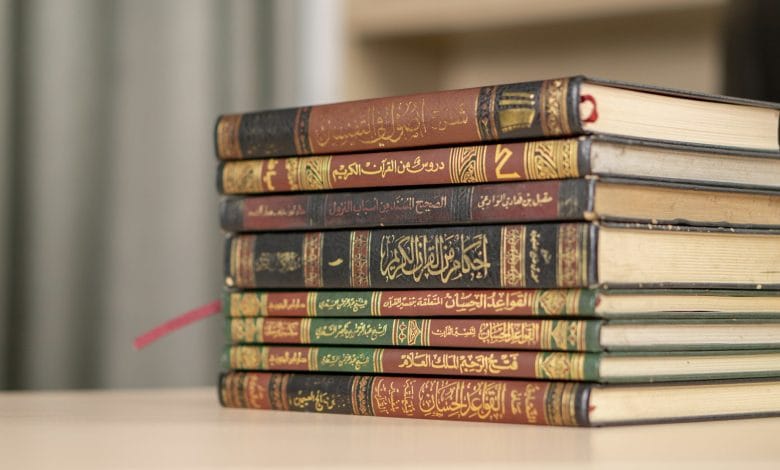
The Virtue of Intellect (Aql) in Islam – In Islam, Aql (intellect) is one of the greatest blessings bestowed upon human beings. One of the special qualities through which Allah Almighty has honored human beings above many other creations is the gift of intellect.
The Qur’an and Hadith repeatedly encourage people to think, reflect, distinguish between truth and falsehood, and use their intellect to follow the right path. For this reason, Islamic scholars have left behind countless discussions and valuable sayings about the importance of Aql.
The book Kitab al-Aql, written by the renowned Muhaddith and scholar Ibn Abi al-Dunya, is an important compilation on this subject.

This book brings together Qur’anic guidance related to Aql, Hadith, statements of the Companions and Tabi‘in, and insightful sayings of scholars and wise people.
It clearly demonstrates that true intellect leads a person toward the fear of Allah, good character, and sound decision-making.
In this article, we will present some beneficial sayings about Aql based on Kitab al-Aql and the teachings of Islamic scholars. These words can inspire us to purify our thoughts and live our lives with wisdom and sound judgment.
Translated from Al-Aql, written by Imam Ibn Abi al-Dunya (رحمه الله)
Our translation and publication: Darussaadat
أَقْسَامُ الْعَقْلِ
Types of Intellect
Aql Is Divided into Three Parts
Narration: 83 Ibn Jurayj said:
قُسِّمَ الْعَقْلُ عَلَى ثَلَاثَةِ أَجْزَاءٍ فَمَنْ كُنَّ فِيهِ كَمُلَ عَقْلُهُ: حُسْنُ الْمَعْرِفَةِ بِاللَّهِ، وَحُسْنُ الطَّاعَةِ لَهُ، وَحُسْنُ الصَّبْرِ عَلَى أَمْرِهِ
“Intellect is divided into three parts. Whoever possesses these three qualities has complete intellect:
Having sound knowledge of Allah.
Obeying Him in the best manner.
Patiently enduring His commands and decrees.”
Benefit
This statement is highly valuable from the perspective of knowledge and spiritual purification. It teaches that the qualities of a truly intelligent person are threefold: knowing Allah correctly—His Oneness, attributes, and guidance; worshipping and obeying Him properly; and remaining patient with His commands, trials, and difficulties.
Whoever possesses these qualities is considered to have complete intellect.
The Most Knowledgeable Among People
Narration: 84 Yahya ibn Abi Kathir said:
أَعْلَمُ النَّاسِ وَأَفْضَلُهُمْ أَعْقَلُهُمْ
“The most knowledgeable and best among people is the one who possesses the greatest intellect.”
Benefit
This means that true knowledge is not merely about possessing a large amount of information. Rather, the truly excellent and knowledgeable person is the one who applies knowledge correctly and lives with God-consciousness, justice, wisdom, and foresight.
مِنْ أَقْوَالِ الْحُكَمَاءِ عَنِ الْعَقْلِ وَالْعَاقِلِ
Sayings of the Wise About Intellect and Intelligent People
The Backbone of a Person
Narration: 85 Ibn Jurayj said:
قِوَامُ الْمَرْءِ عَقْلُهُ، وَلَا دِينَ لِمَنْ لَا عَقْلَ لَهُ
“A person’s foundation is his intellect, and there is no religion for one who has no intellect.”
Benefit
A person’s true strength and character rest upon sound judgment and wisdom. Someone who cannot distinguish right from wrong or understand and fulfill responsibilities cannot properly carry the responsibilities of Islam.
Giving Priority to Important Matters
Narration: 86 A wise man said to his brother:
يَا أَخِي عَقْلُكَ لَا يَتَّسِعُ لِكُلِّ شَيْءٍ فَفَرِّغْهُ لَأَوَّلِ الْمُهِمِّ مِنْ أَمْرِكَ
“My brother, your intellect cannot accommodate everything, so devote it to the most important matter before you.
وَكَرَامَتُكَ لَا تَسَعُ النَّاسَ فَخُصَّ بِهَا أَوْلَى النَّاسِ بِكَ
Your honor cannot encompass everyone, so reserve it for those who are most deserving of your respect and closest to you.
وَلَيْلُكَ وَنَهَارُكَ لَا يَسْتَوْعِبَانِ حَوَائِجَكَ فَأَسْقِطْ عَنْكَ مَا لَكَ مِنْهُ بُدٌّ
Your night and day are not sufficient to fulfill all your needs, so remove from your life whatever you can do without.
وَلَيْسَ مِنَ الْعَقْلِ أَنْ تَذَرَ مِنَ الْخَيْرِ مَا لَابُدَّ مِنْهُ
It is not intelligence to abandon something good that you cannot do without.
وَلَا تَمْدَحْ مَنْ لَمْ تُخْبَرْ إِحْسَانُهُ
And do not praise someone whose goodness you have not personally come to know.”
Benefit
This statement offers profound advice about managing time, attention, relationships, and priorities. Our mental capacity is limited, so we should avoid unnecessary thoughts and focus on what truly matters.
Do not try to please everyone. Give priority to those who are genuinely close to you. Since our time is limited, eliminate unnecessary tasks and focus on what is essential.
Abandoning something good that is genuinely necessary is not wisdom. Likewise, do not praise someone without knowing them properly, because your praise may be unfounded.
This is an extraordinary lesson in balance, wisdom, and purposeful living.
Intellect Is the Combination of Two Things
Narration: 87 A wise man was asked, “What is intellect?” He replied:
أَمْرَانِ أَحَدُهُمَا صِحَّةُ الْفِكْرِ فِي الذَّكَاءِ وَالْفِطْنَةِ، وَالْآخَرُ حُسْنُ التَّمْيِيزِ وَكَثْرَةُ الْإِصَابَةِ
“Intellect consists of two things: sound thinking through intelligence and insight, and the ability to distinguish correctly and frequently arrive at the right conclusions.”
Benefit
In other words, intellect involves two essential qualities:
1. The ability to think correctly—to understand quickly and demonstrate intelligence and insight.
2. The ability to distinguish between right and wrong and repeatedly make sound decisions.
What Is Ignorance?
Narration: 88 A wise man was asked, “What is ignorance?” He replied:
قِلَّةُ الْإِصَابَةِ وَوَضْعُ الْكَلَامِ فِي غَيْرِ مَوْضِعِهِ وَكُلَّمَا مُدِحَ بِهِ الْعَاقِلُ كَانَ مَفْقُودًا فِي الْأَحْمَقِ
“It is frequently being wrong, speaking where one should not speak, and lacking the qualities for which an intelligent person is praised.”
Benefit
An ignorant person repeatedly fails to act correctly, speaks at inappropriate times, and lacks the qualities that distinguish a wise and intelligent person.
The Complete Summary of Everything
Narration: 89 A wise man was asked, “Give us some advice that summarizes everything.” He said:
“Be cautious and remain alert. Every person has two internal judges: one is a sincere and careful adviser, while the other is a deceiver. The careful adviser is intellect, while the deceiver is desire (hawa). These two are completely opposed to one another. Therefore, whichever one you incline toward more will ultimately control you.”
Benefit
There are two forces within us: intellect and reason, which guide us toward truth and goodness, and desire and inclination, which can lead us toward temptation and error.
Whichever one we listen to more will eventually control our lives and actions. Therefore, we should give greater weight to the guidance of intellect rather than blindly following our desires.
Respecting Intelligent and Just People
Narration: 90 Abu Bakr said that Ubaydullah ibn Muhammad al-Qurashi narrated that a man was speaking with a king. At first, he spoke to him gently, but later he became firm. The king asked him why he had not spoken so firmly in the beginning.
The man replied:
“When I first spoke with you, I thought you possessed intellect. I therefore assumed that your intellect would prevent you from committing injustice. But later I realized that your intellect was lacking.”
Benefit
The man initially treated the king with gentleness and respect because he believed that the king was intelligent and just. He assumed that a person of sound intellect would avoid injustice and could therefore be trusted.
This teaches us that intelligent and just people deserve to be treated with respect and good manners.
Piety and Deception
Narration: 91 Hafs ibn Humayd said:
مِنْ وَرَعِ الرَّجُلِ ألَّا يَخْدَعَ، وَمِنْ عَقْلِهِ ألَّا يُخْدَعَ
“A person’s piety is that he does not deceive others, and his intellect is that he does not allow himself to be deceived.”
Benefit
True religiousness means refraining from cheating or deceiving others. An intelligent person also understands the need to remain cautious so that others cannot easily deceive him.
In other words, honesty is a sign of piety, while intelligence includes being alert and protecting oneself from deception.
صَاحِبُ الْعَقْلِ يَنْجُو بِهِ فِي يَوْمٍ مِنَ الْأَيَّامِ
An Intelligent Person Will One Day Be Saved by His Intellect
How Can One Achieve Success?
Narration: 92 Muhallab ibn Abi Sufrah was asked, “How did you achieve the success you have attained?” He replied:
بِطَاعَةِ الْحَزْمِ وَعِصْيَانِ الْهَوَى
“By following sound judgment and resisting my desires.”
Benefit
In other words, he did not act based merely on emotions and impulses. He acted with wisdom and sound judgment, and this contributed to his success.
Allah Protects the Intelligent
Narration: 93 Hasan (رحمه الله) said:
مَا أَوْدَعَ اللَّهُ عَزَّ وَجَلَّ امْرَأً عَقْلًا إِلَّا اسْتَنْقَذَهُ بِهِ يَوْمًا مَا
“If Allah Almighty grants a person intellect, then one day that intellect will surely save him.”
Benefit
Having sound intellect will eventually benefit and protect a person—perhaps by saving him from danger, or perhaps by preventing him from making a wrong decision.
الْقُلُوبُ تَمَلُّ كَمَا تَمَلُّ الْأَبْدَانُ
Just as the Body Becomes Tired, the Heart Also Becomes Tired
How to Refresh the Mind
Narration: 94 Ali ibn Abi Talib (رضي الله عنه) said:
إِنَّ هَذِهِ الْقُلُوبَ تَمَلُّ كَمَا تَمَلُّ الْأَبْدَانُ فَالْتَمِسُوا لَهَا مِنَ الْحِكْمَةِ طَرَفًا
“These hearts become weary just as bodies become weary, so seek for them a portion of wisdom.”
Benefit
The heart and mind can become tired and bored just like the body. Therefore, we should occasionally refresh them by listening to or reading words of wisdom and beneficial advice.
In other words, it is not enough to simply work or engage in worship continuously. The mind and heart also need knowledge, wisdom, and beneficial reminders to remain fresh and attentive.
The Difference Between the Wise and the Ignorant
Narration: 95 Husayn ibn Abd al-Rahman said that a wise man stated:
لَا تَرَى الْعَاقِلَ إِلَّا خَائِفًا كَمَا أَنَّ الْجَاهِلَ لَا تَرَاهُ إِلَّا آمِنًا
“You will never see an intelligent person except in a state of fear and caution, just as you will never see an ignorant person except in a state of false security.”
A poet also said:
لَا تَرَى الْعَاقِلَ إِلَّا خَائِفًا … حَذِرًا مِنْ يَوْمِهِ دُونَ غَدِهِ
“You will always find the intelligent person fearful and cautious,
concerned about his present day rather than his tomorrow.”
Benefit
An intelligent person remains cautious and thoughtful. He knows that mistakes have consequences, so he remains conscious of his words and actions.
An ignorant person, on the other hand, often remains carelessly unconcerned. He does not fear consequences or think seriously about the future, which makes him more likely to fall into mistakes.
This statement teaches us that caution and fear are among the signs of intelligence, while careless complacency is among the signs of ignorance.
Encouraging the Heart to Do Good
Narration: 96 Ibn Mas‘ud (رضي الله عنه) said:
اسْتَبِقْ نَفْسَكَ وَلَا تُكْرِهَّا فَإِنَّكَ إِنْ أَكْرَهْتَ الْقَلْبَ عَلَى شَيْءٍ عَمِيَ
“Encourage your soul to move forward, but do not force it. If you force the heart into something, it becomes blind.”
Benefit
Ibn Mas‘ud (رضي الله عنه) teaches us to encourage ourselves toward good deeds and cultivate genuine motivation. But if we constantly force ourselves, the heart may resist and lose its natural willingness.
This principle also applies to spiritual development and worship. The heart must be nurtured with patience and gentleness rather than being overwhelmed with excessive pressure.
مِنْ صِفَاتِ الْمُؤْمِنِ الذِّكْرُ وَالتَّفَكُّرُ
Among the Qualities of a Believer Are the Remembrance of Allah and Reflection
A Believer Is Thoughtful
Narration: 97 Wahb ibn Munabbih said:
A believer is thoughtful and frequently remembers Allah. Whoever remembers Allah also reflects upon life. Such a person possesses peace and contentment. He is satisfied with whatever he receives and does not remain consumed by worry.
He abandons harmful desires such as greed and excessive cravings, and therefore becomes truly free. He does not envy others, so people love him. He distances himself from the temporary things of this world, such as wealth, possessions, and fame, and as a result, his intellect becomes complete.
He becomes interested in the Hereafter and comes to understand true knowledge.
Benefit
A good believer remembers Allah frequently, reflects deeply, abandons excessive attachment to worldly desires, remains content, and avoids envy. As a result, he develops true understanding and attains spiritual freedom.
Giving the Mind Rest
Narration: 98 Qasamah ibn Zuhayr said:
رَوِّحُوا الْقُلُوبَ تَعِ الذِّكْرَ
“Give the hearts some rest so that they may properly absorb the remembrance of Allah.”
Benefit
This means that we should not keep the heart under constant pressure or hardship. It needs occasional rest and wholesome enjoyment so that it does not become exhausted and can engage properly in the remembrance of Allah.
Excessive pressure can leave the heart and mind weary, making it difficult to listen to, understand, or reflect upon the remembrance of Allah.
الْعَاقِلُ مَنْ خَافَ اللَّهَ جَلَّ جَلَالُهُ
The Intelligent Person Is the One Who Fears Allah
The Truly Intelligent Person
Narration: 99 Ibrahim ibn Musa said that once a servant of Luqman (عليه السلام) told him, “I do not think you are ever heedless or inattentive.” Luqman replied:
إِنَّمَا الْعَاقِلُ مَنْ يَخَافُ اللَّهَ عَزَّ وَجَلَّ
“The truly intelligent person is the one who fears Allah Almighty.”
Benefit
The man praised Luqman (عليه السلام) for being constantly alert and attentive. In response, Luqman explained that true awareness and intelligence mean fearing Allah, constantly following His commands, avoiding sins, and remaining mindful of the Hereafter.
In short: A sign of true intelligence is fear of Allah, and this fear protects a person from heedlessness and negligence.
Human Beings Are Foolish
Narration: 100 Sufyan al-Thawri (رحمه الله) said:
بَلَغَنِي أَنَّ الْإِنْسَانَ خُلِقَ أَحْمَقَ وَلَوْلَا ذَلِكَ لَمْ يَهْنِهِ الْعَيْشُ
“I have been told that human beings were created with a degree of foolishness; otherwise, life would not be pleasant for them.”
Benefit
Human beings naturally possess a certain degree of simplicity and limited awareness. If a person overanalyzed everything and constantly scrutinized every matter, he could become overwhelmed by anxiety.
Allah has created human beings in such a way that they can experience happiness in simple things. If they understood and analyzed everything too deeply, life could become extremely difficult.
In short: A certain degree of simplicity can be a means of finding peace in life. If we understood and analyzed everything excessively, it could become difficult to enjoy life.
When a Person Becomes Proud of His Own Deeds
Narration: 101 Dawud ibn Salamah al-Harithi said that Abu Hazim used to say:
عَجَبُ الْمَرْءِ بِفِعْلِهِ أَحَدُ حُسَّادِ نَفْسِهِ
“A person’s admiration for his own deeds is one of the things that harms him most.”
Benefit
This statement teaches that when someone becomes excessively proud of his good deeds, he ultimately harms himself. It emphasizes the importance of humility and honest self-examination.
The Sleep and Awakening of the Intellect
Narration: 102 Abu Hasanah al-Abid said:
الصَّمْتُ نَوْمُ الْعَقْلِ وَالْمَنْطِقُ يَقَظَتُهُ
“Silence is the sleep of the intellect, and speech is its awakening.”
Benefit
When a person remains silent, his intellect is said to be at rest. When he speaks, his intellect becomes manifest.
Therefore, one should think carefully before speaking and ensure that one’s words are wise, beneficial, and appropriate.
مِنْ وَصِيَّةِ لُقْمَانَ لِابْنِهِ
Luqman’s Advice to His Son
Guarding the Tongue
Narration: 103 Wahb ibn Munabbih said that among the wisdom attributed to Luqman al-Hakim (عليه السلام) was his advice to his son:
يَا بُنَيَّ، إِنَّ اللِّسَانَ هُوَ بَابُ الْجَسَدِ، فَاحْذَرْ أَنْ يَخْرُجَ مِنْ لِسَانِكَ مَا يُهْلِكُ جَسَدَكَ وَيُسْخِطُ عَلَيْكَ رَبَّكَ عَزَّ وَجَلَّ
“My son, the tongue is the gateway to the body. So beware that nothing comes from your tongue that destroys your body and incurs the displeasure of your Lord, the Almighty.”
Benefit
Luqman (عليه السلام) taught his son that the tongue is extremely powerful. Therefore, we must be careful not to say anything that harms us or causes the displeasure of Allah.
The lesson: Controlling our speech is essential because careless words can become a source of harm in both this world and the Hereafter.
Conclusion
The discussion of Imam Ibn Abi al-Dunya (رحمه الله) makes it clear that Aql (intellect) is one of the most honored blessings in Islam. It plays a vital role in shaping a person’s faith, character, decisions, and overall direction in life.
The proper use of intellect helps a person draw closer to Allah and opens the path to success in both this world and the Hereafter. Therefore, every Muslim should strive to use this great blessing in accordance with the Qur’an and Sunnah.
🔸🔸🔸
👉 also read The Qualities of a Believer According to Hadith